
Healthy Cooking Tips for Everyday Meals
Healthy cooking does not have to be complicated, expensive, or boring. With a few smart habits, you can make meals that are nourishing, flavorful, and easy to prepare.
Start with Whole Ingredients
A good healthy meal begins with simple ingredients. Choose vegetables, fruits, whole grains, beans, lentils, eggs, fish, lean meats, nuts, seeds, and dairy or dairy alternatives. These foods are naturally rich in nutrients and usually have less added sugar, salt, and unhealthy fat than heavily processed foods.
Use More Vegetables
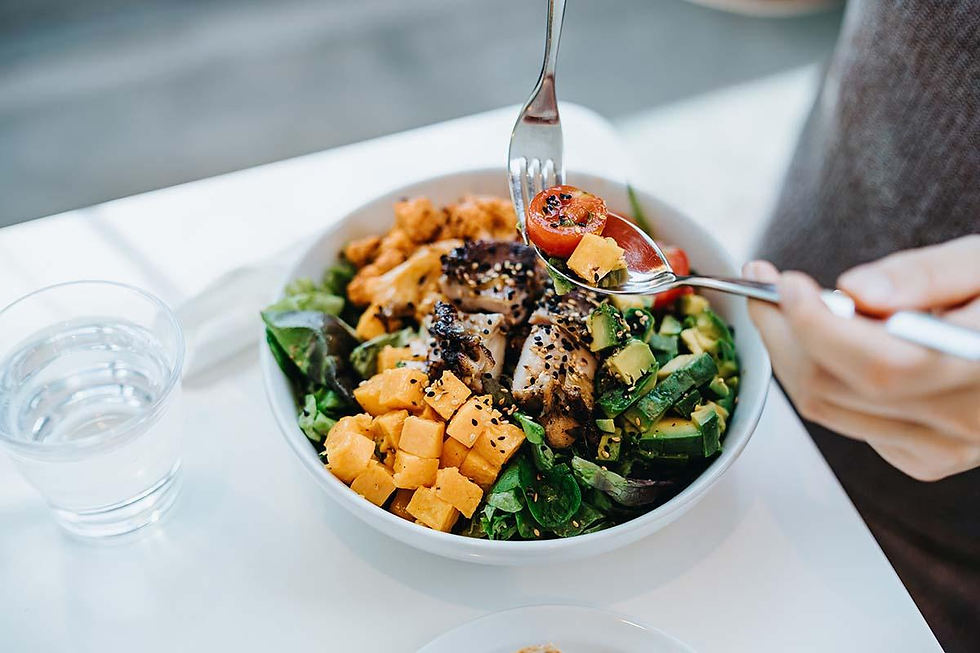
Vegetables add color, texture, fiber, and vitamins to your meals. Try filling half your plate with vegetables whenever possible. Add spinach to eggs, mix carrots and peas into rice, roast cauliflower with spices, or blend vegetables into soups and sauces.
Choose Healthy Cooking Methods
How you cook matters. Baking, steaming, grilling, roasting, sautéing, and air-frying often use less oil than deep-frying. Roasting vegetables with a little olive oil and seasoning can make them taste rich and satisfying without needing heavy sauces.
Be Smart with Oil
Oil is not bad, but using too much can quickly add extra calories. Measure oil with a spoon instead of pouring freely. Use healthier fats like olive oil, mustard oil, groundnut oil, avocado oil, or sesame oil depending on your cuisine and taste.
Reduce Salt Without Losing Flavor
Instead of relying only on salt, use herbs, spices, garlic, ginger, lemon juice, vinegar, pepper, cumin, coriander, turmeric, chili, basil, mint, or curry leaves. These ingredients can make food taste bold and fresh while helping you cut back on sodium.
Pick Whole Grains
Swap refined grains for whole grains when you can. Brown rice, oats, millets, whole wheat, quinoa, barley, and whole grain bread provide more fiber and keep you full longer.
Add Protein to Every Meal
Protein supports muscle health and helps control hunger. Include foods like dal, beans, chickpeas, tofu, paneer, eggs, curd, fish, chicken, nuts, or seeds. A balanced plate with protein, vegetables, and whole grains is usually more satisfying.
Limit Added Sugar
Small changes can reduce sugar intake. Choose plain yogurt instead of sweetened yogurt, drink water instead of sugary drinks, and sweeten foods naturally with fruit when possible. For desserts, try smaller portions or make fruit-based options.
Plan Ahead
Healthy cooking becomes easier when you plan. Keep basic ingredients ready, such as chopped vegetables, cooked lentils, boiled eggs, roasted nuts, or homemade sauces. Meal prep can help you avoid last-minute unhealthy choices.
Make Healthy Food Enjoyable
Healthy cooking should still taste good. Try new spices, sauces, textures, and cooking styles. A meal is easier to stick with when it feels enjoyable, not like a restriction.
Final Thoughts
Healthy cooking is about balance, not perfection. Start with one or two small changes, such as adding more vegetables or reducing deep-fried foods. Over time, these simple habits can make your everyday meals healthier and more delicious.


Comments